by Howard Goldthwaite, Senior Director of Creative Strategy • 2 minutes
Here at First Liberty, we often defend people of faith when their free exercise of religion is attacked. In many of our cases, the hostility comes from opponents who object to seeing a person’s religious faith expressed publicly. Frequently, they erroneously contend that the First Amendment protects their “freedom from religion.”
Of course, the First Amendment also protects the freedom of speech. So, following their same logic, that would mean it also protects freedom from speech—so you never have to hear an opinion different from your own. The First Amendment protects freedom of the press—so does that mean we have freedom from the press, so we never have to see a news story we don’t like?
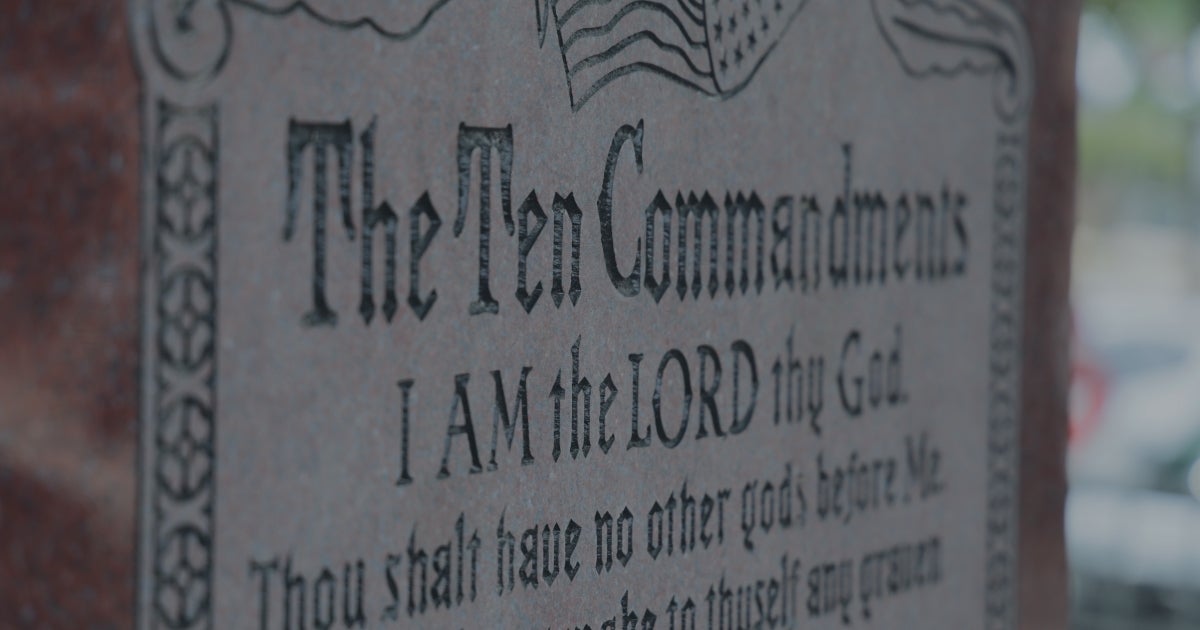
The same First Amendment that protects a person’s freedom to believe in God and express their faith publicly also protects an atheist’s right to not believe in God and express their beliefs publicly. That means when an atheist opposes a religious person’s free expression of faith, the atheist is attacking the right that protects their own words at that very moment. People of faith constantly get criticized when doing observable religious activities outside the walls of a church like praying, baptizing, setting up memorials and monuments, etc.
Nonreligious critics contend that by doing these things in public, people of faith are forcing their beliefs on others. The critics often say it’s a terrible thing to impose your beliefs on others—but then these same critics do their best to impose that belief on others! They base it on their supposed “freedom from religion,” which they view as the right to live entirely free from exposure to religious practices and influence in the public square.
When governments decide there’s no power higher than themselves, one authoritarian regime might decide to ban religious practices, while another decides to ban atheism.
Today, there are over a dozen nations worldwide where being an atheist can bring severe punishment, including imprisonment and execution.
America’s Founding Fathers never tried to take away an atheist’s right to believe God doesn’t exist; and neither does First Liberty. Our legal victories that protect the freedom for people who believe in God also protects the same freedom for people who don’t.
America was founded on the cornerstone of religious liberty. Here’s an example: The same Constitutionally protected right that allowed Bremerton High School Coach Joe Kennedy to pray on the field after games also protected someone else’s right to not pray. No one was forced to pray who didn’t want to, and nobody was stopped from praying who wanted to pray.
Except, of course, for Joe Kennedy. He was fired for praying in public; and therefore, supposedly imposing his beliefs on others. He then had to endure seven years of legal battles before having his constitutional rights affirmed by the U.S. Supreme Court.
America’s Constitution protects freedom OF religion not freedom FROM religion. Nowhere does the Constitution guarantee the right to be shielded from ever seeing someone exercise their religious beliefs in public. But it does protect every American’s freedom, including teachers and government workers, to exercise their religious beliefs—freely and publicly—even if other people might happen to see it.
That’s because religious liberty is the freedom that defines America.