by Howard Goldthwaite, Director of Creative Strategy • 3 minutes
Thanks to God’s favor, First Liberty keeps overturning bad legal precedents that have been on the books for decades. Because of these sweeping changes to the legal landscape, people of faith now have more religious freedom than in generations.
In our 2023 Supreme Court triumph for Gerald Groff, the victory overturned a precedent that had restricted expressions of faith in the workplace since 1973.
In 2022, our Supreme Court victory for Coach Joe Kennedy (who was fired simply for praying on the field after games) overturned the precedent of Lemon v. Kurtzman, which had restricted religious expressions since 1971.
But even though Lemon is no longer on the books, one lawyer wryly notes: “The scent of Lemon still lingers.”
Opponents of faith used to have the legal backing to push religious expressions out of public view. Many act like they still do.
One would think our legal victories would steadily reduce the harassment toward people of faith, and our caseload should be shrinking. But the truth is, attacks on people of faith keep increasing.
As more and more people boldly exercise their religious freedoms in public, it generates more blowback—leading to more people turning to First Liberty for legal representation.
It brings to mind the multi-headed Hydra from Greek mythology that grew two heads back for every head Hercules cut off.
People still face conflicts at work over their religious practices. Churches and pastors still confront government harassment. Legal challenges to religious monuments still persist. Overturning a precedent does not automatically settle every dispute that follows. (Despite our victory in Groff, a recent article by an employment lawyer identified six steps to deny a religious accommodation at work.)
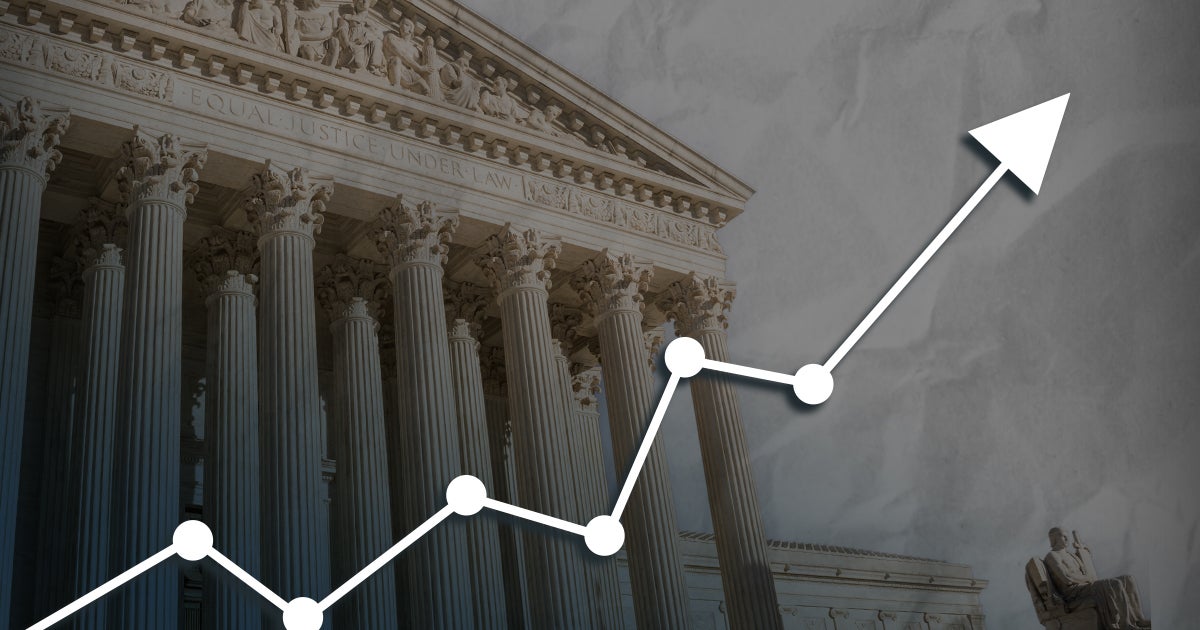
Since our victories in Groff and Kennedy, we handled 362 cases and legal matters in 2023. We had 417 in 2024. We had 447 in 2025. In 2026, we may top 500. And right now, we have the highest number of cases ever in the pipeline for potential Supreme Court review.
One favorable Supreme Court verdict changes the law overnight. But the time it takes for a legal victory to impact the culture can take years.
Thanks to the recent revisions in the law that struck down oppressive laws, America’s population has a lot of unlearning to do; which is much harder and takes much longer than learning something right in the first place.
Compounding the problem, our opponents don’t want the culture to go back to accepting free expressions of faith as normal.
The long-term strategy of our opponents is obvious. They want to:
We’re in the battle for the long haul, because there will never be a final peace treaty where our opponents sign an unconditional surrender. Our determination to fight religious oppression must never weaken.
If anything—just like our caseload—our resolve needs to keep growing every year.