by Jorge Gomez • 2 minutes
In our nation’s capital, the Washington Metropolitan Area Transit Authority (WMATA) has an advertising policy that effectively bans religious ads on public transportation.
This week, First Liberty—alongside the American Civil Liberties Union and the law firm Steptoe—asked a federal district court to strike down those advertising restrictions, arguing that they are in violation of the First Amendment.
We represent WallBuilders, a Texas-based non-profit with a mission to educate the public about the role the Founders’ Christian faith played in the creation of the nation and the drafting of the Constitution. It applied to place several advertisements on the side of Metro buses. WMATA rejected the ads.
In 2024, a federal district court ordered the transit authority to accept and run two religious-themed advertisements that had been unconstitutionally rejected.
The court ruled that WMATA’s Guideline 9, which prohibits “advertisements intended to influence members of the public regarding an issue on which there are varying opinions,” was “not a reasonable restriction on speech.” Calling the guidelines “vague,” the judge wrote that the guideline failed to provide “objective, workable standards” that could be reasonably applied.”
The court issued a preliminary injunction for our client and held that WMATA’s actions were blatantly in violation of First Amendment. This allowed WallBuilders to run the ads while the case proceeded in court.
Now, we’re seeking to make that ruling permanent.
“The First Amendment grants all Americans the right to express their point of view, religious or secular,” said First Liberty Senior Counsel Jeremy Dys. “Rejecting a faith-based advertising banner simply because of their religious content is discriminatory, and illegal.”
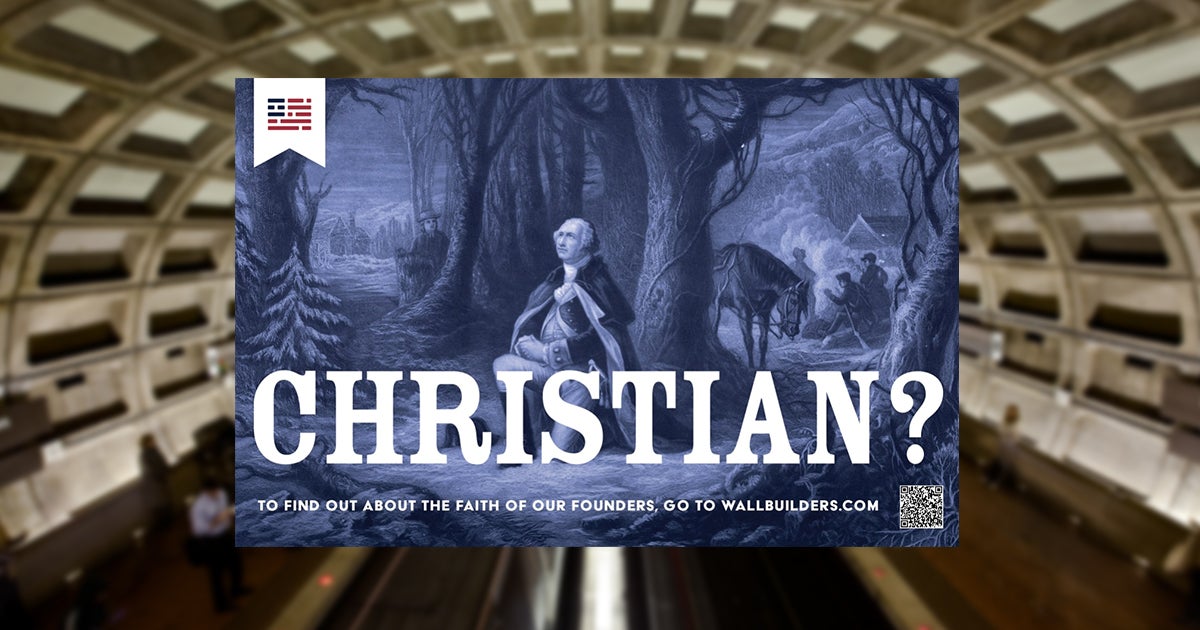
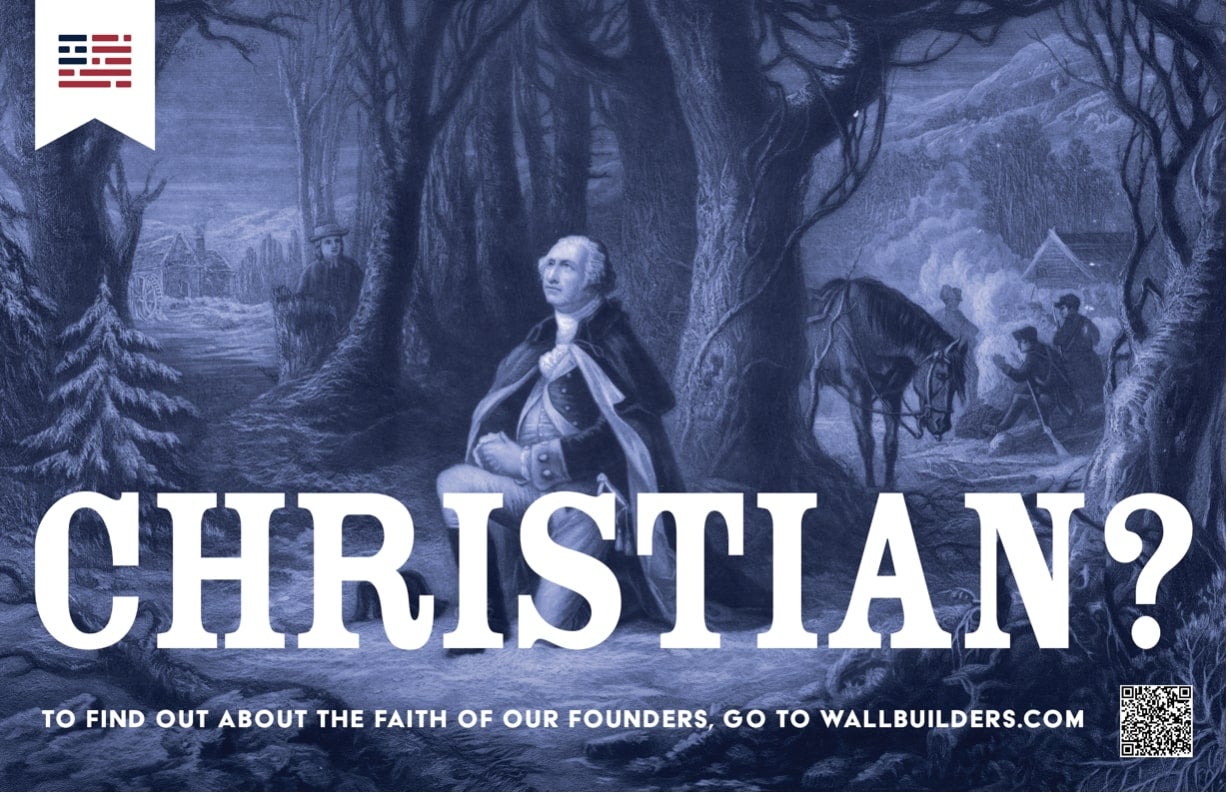
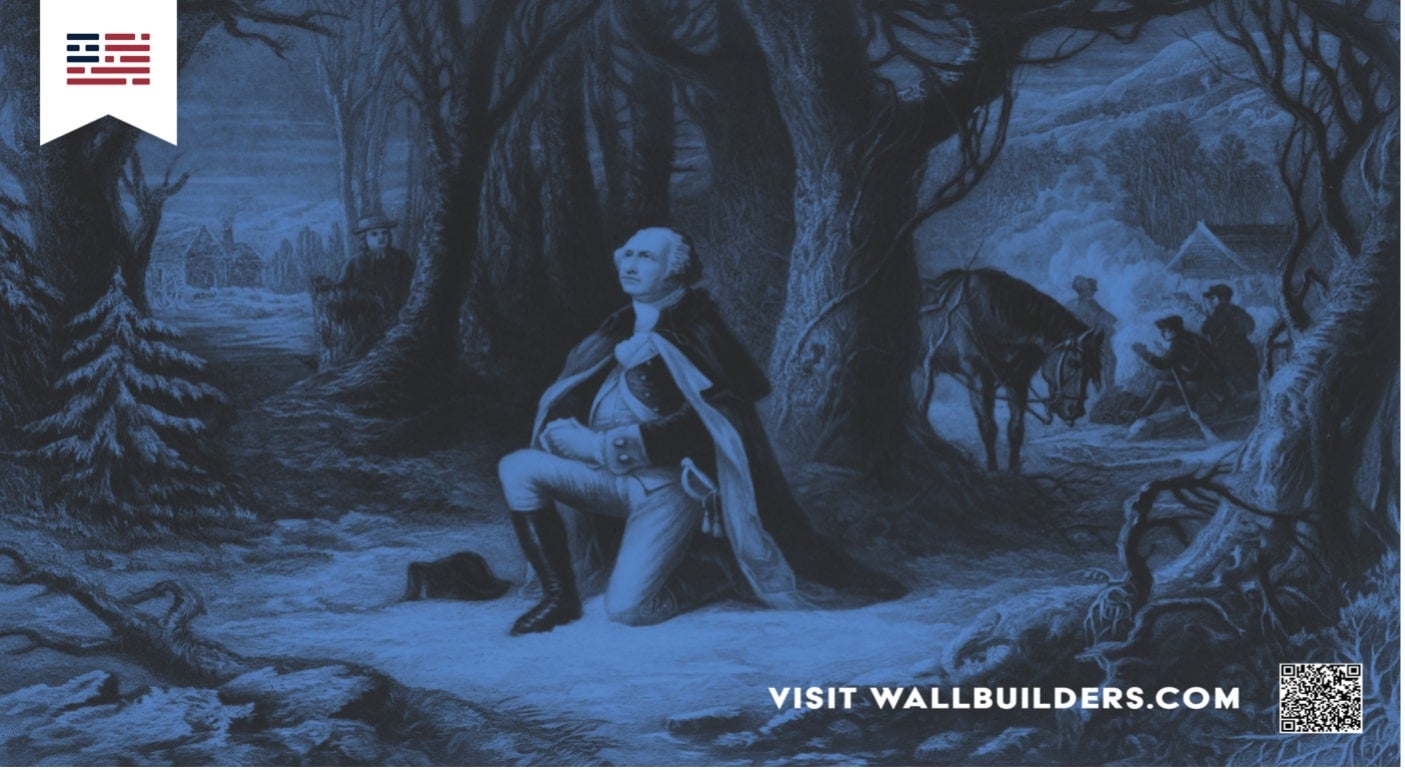
What’s in the ads? One features the well-known Henry Brueckner image of George Washington kneeling in prayer at Valley Forge. It poses the question: “CHRISTIAN?” with an invitation below in smaller text to visit Wallbuilders.com to “find out about the faith of our Founders,” along with a QR code.
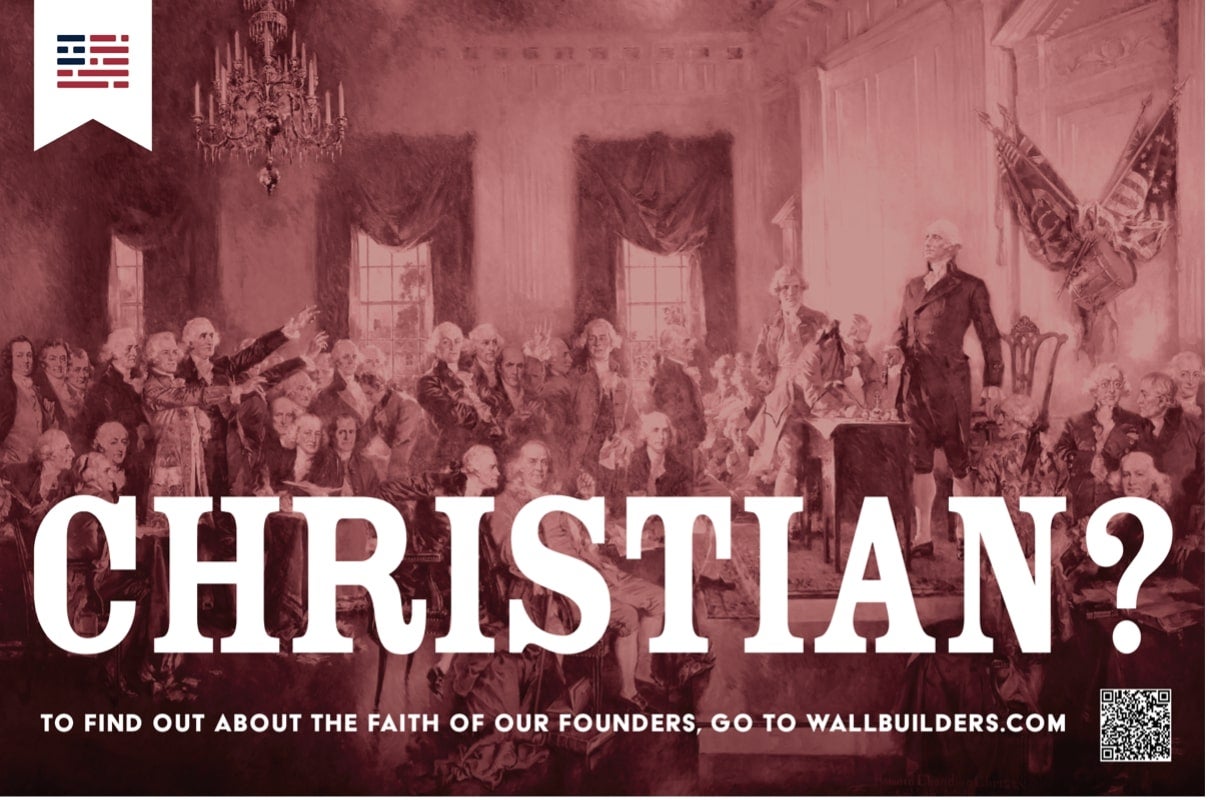
A similar advertisement depicts a well-known painting of the signing the U.S. Constitution, with identical language. The original painting hangs in the U.S. Capitol.
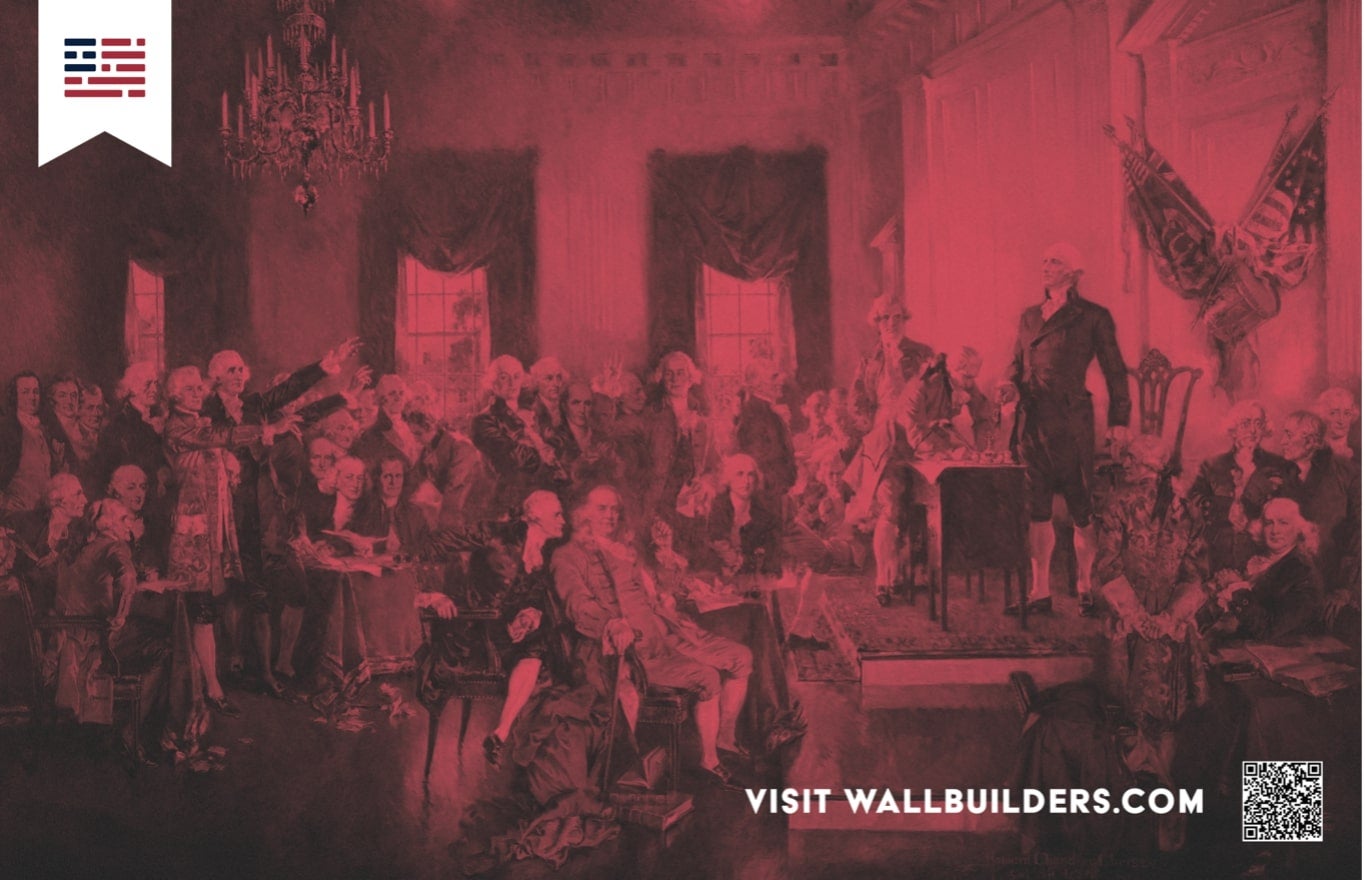
You may be surprised to learn that the ACLU teamed up with First Liberty on this case. Even though we’re sometimes at odds, both organizations understand just how dangerous WMATA’s policy is to free speech.
“When the government censors a private speaker’s message just because it conveys a religious point of view, it violates the First Amendment,” said Arthur Spitzer, Senior Counsel at the ACLU-D.C. “The court was right in issuing a preliminary injunction against WMATA, and now it’s time to strike their regulations once and for all.”
“We are grateful that the court recognized that WMATA unconstitutionally rejected WallBuilders ads and now ask the court to finish the job,” Dys concluded.
What’s at stake in this legal battle? It’s much bigger than WallBuilders running an ad campaign. It’s about the government’s responsibility to treat everyone fairly, and its obligation to support the freedoms guaranteed in the First Amendment, rather than silence Americans through censorship. Winning this case could have an impact for all Americans—religious or not.