by Jayla Ward • 2 minutes
We’re thrilled to announce the launch of the 2026 Religious Liberty in the States index!
Each year, First Liberty’s Center for Religion, Culture and Democracy publishes a nationwide index of domestic religious freedom. It ranks religious liberty protections for each of the 50 states. The index focuses on select legal safeguards of religious exercise in state laws and constitutions.
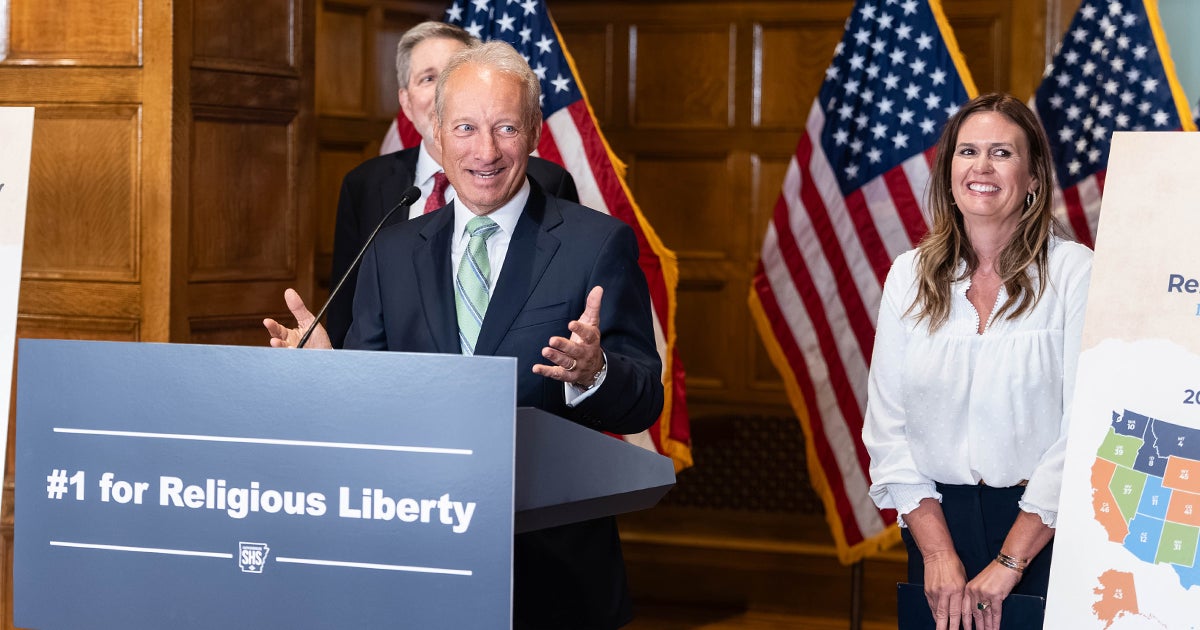
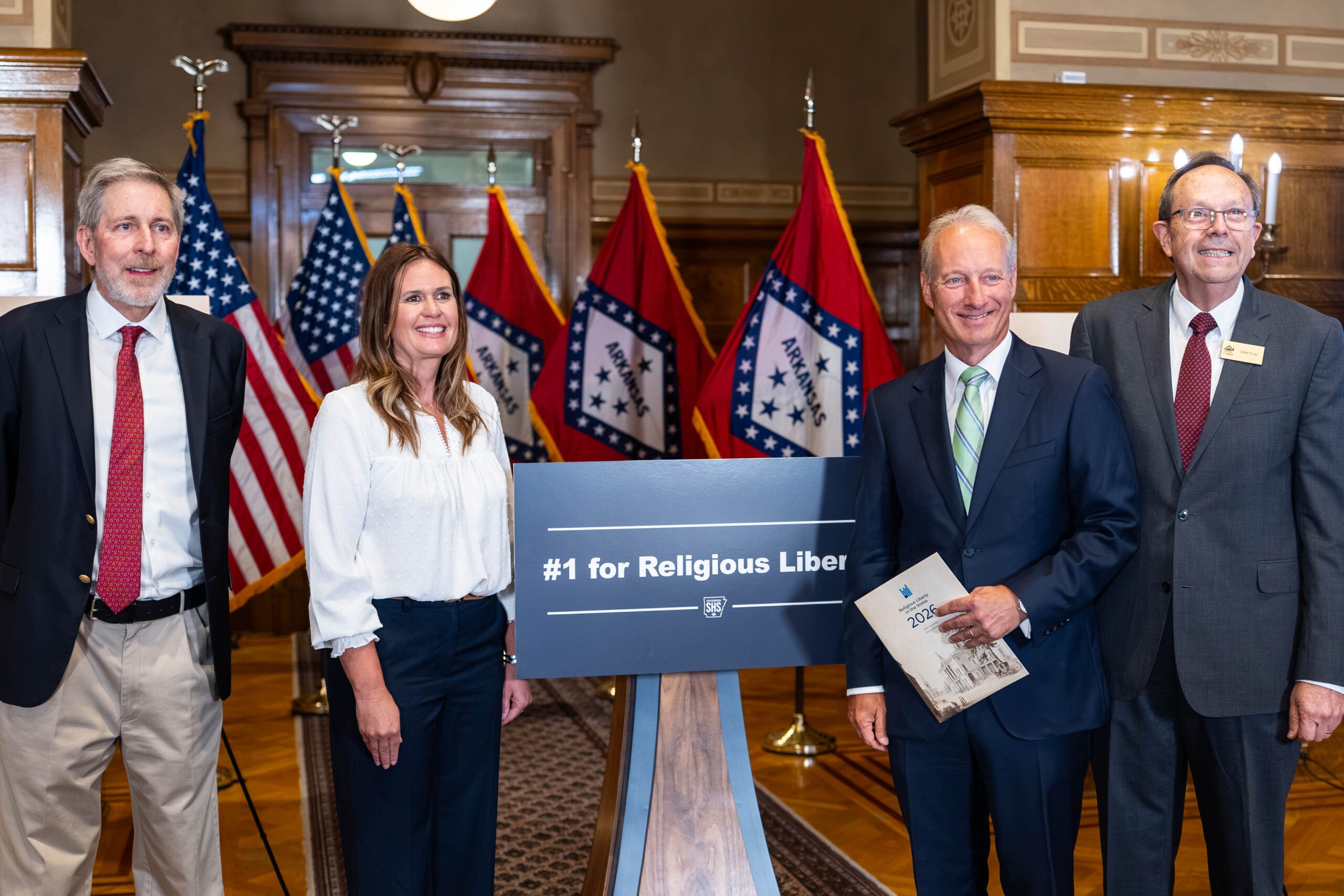
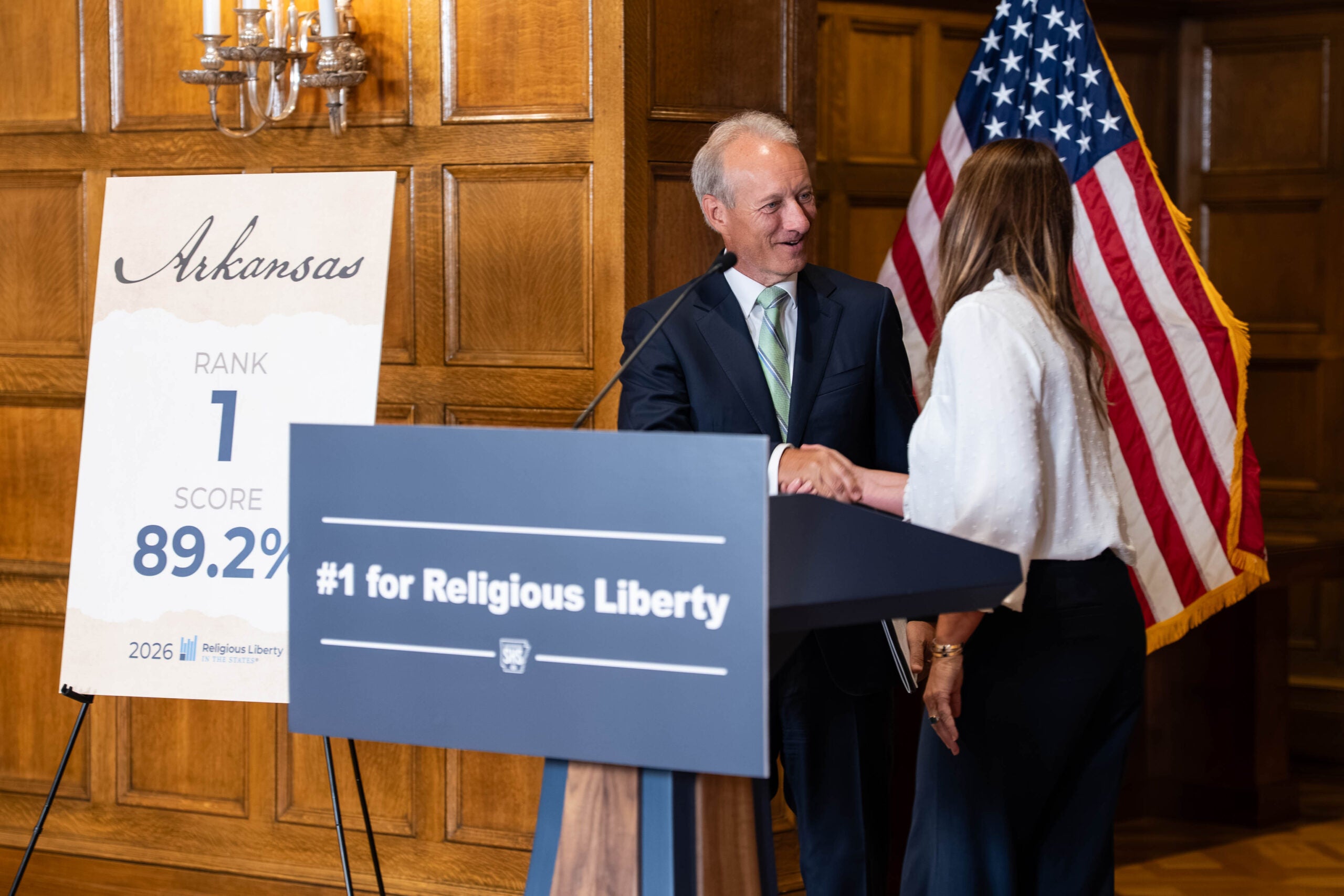
On Tuesday, our team unveiled the results at the Arkansas State Capitol alongside Gov. Sarah Huckabee Sanders.
Watch below:
Which States Rank Best…and Worst?
Religious Liberty in the States assigns an aggregate percentage score to each state, determined by the number of religious liberty “safeguards” found in state constitutions and laws. The 2026 index evaluates 50 distinct legal protections, which we’ll discuss in more detail in a forthcoming section.
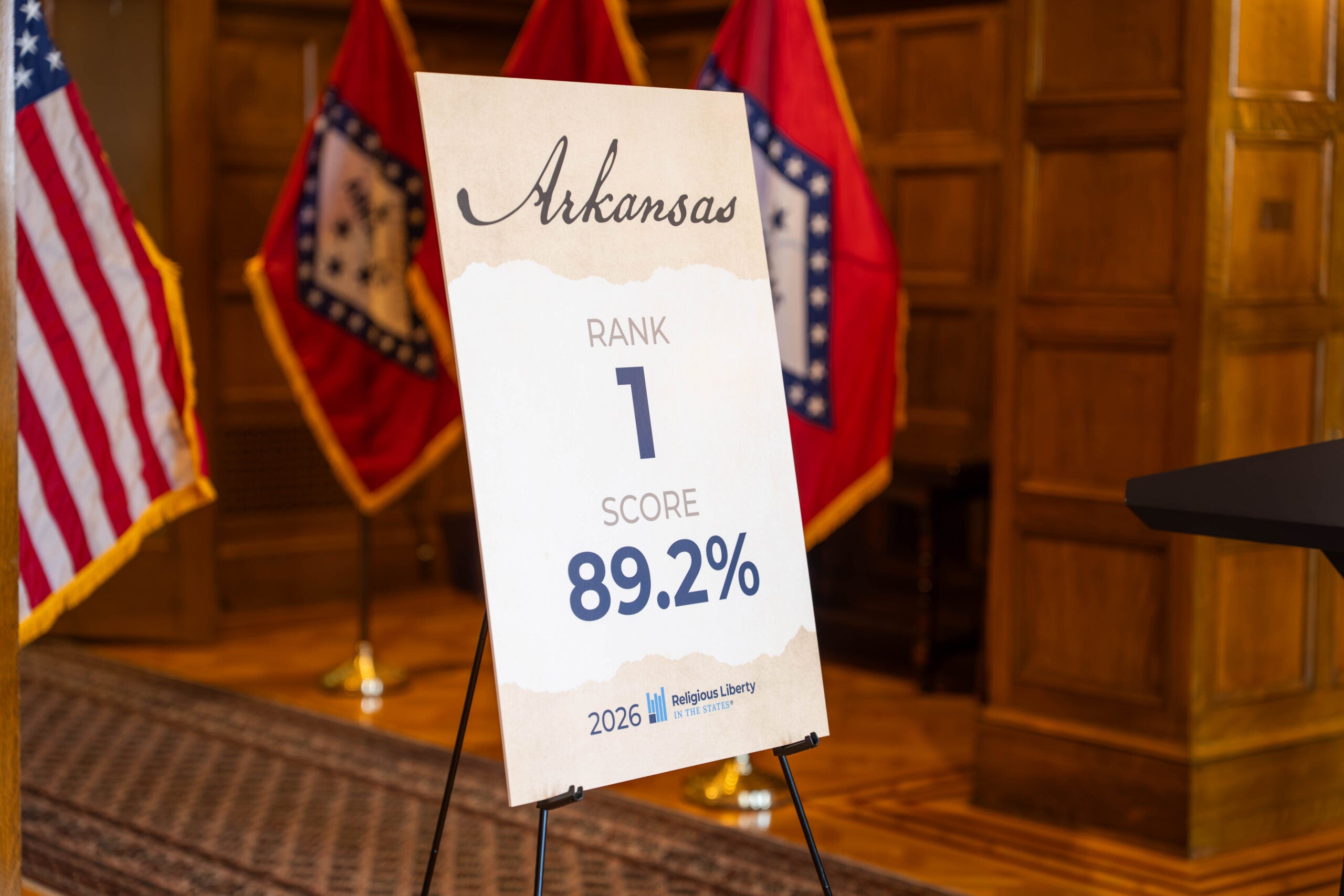
Here are the top 5 states:
1. Arkansas (89%)
2. Tennessee (85%)
3. Florida (77%)
4. Montana (71%)
5. Illinois (70%)
Arkansas’s rise to first place is due in large part to legislation adopted in 2025. The state enacted a law that protects individuals and institutions from being forced to participate in wedding ceremonies to which they have religious objections.
“Religious liberty is America’s First Freedom, and Arkansas is leading the nation in protecting it,” said Governor Sanders. “Our rights come from God, not government, and every American should be free to live according to their faith and conscience. We’ll continue defending that freedom and ensuring the Natural State remains the best place in the country to live, work, and worship.”
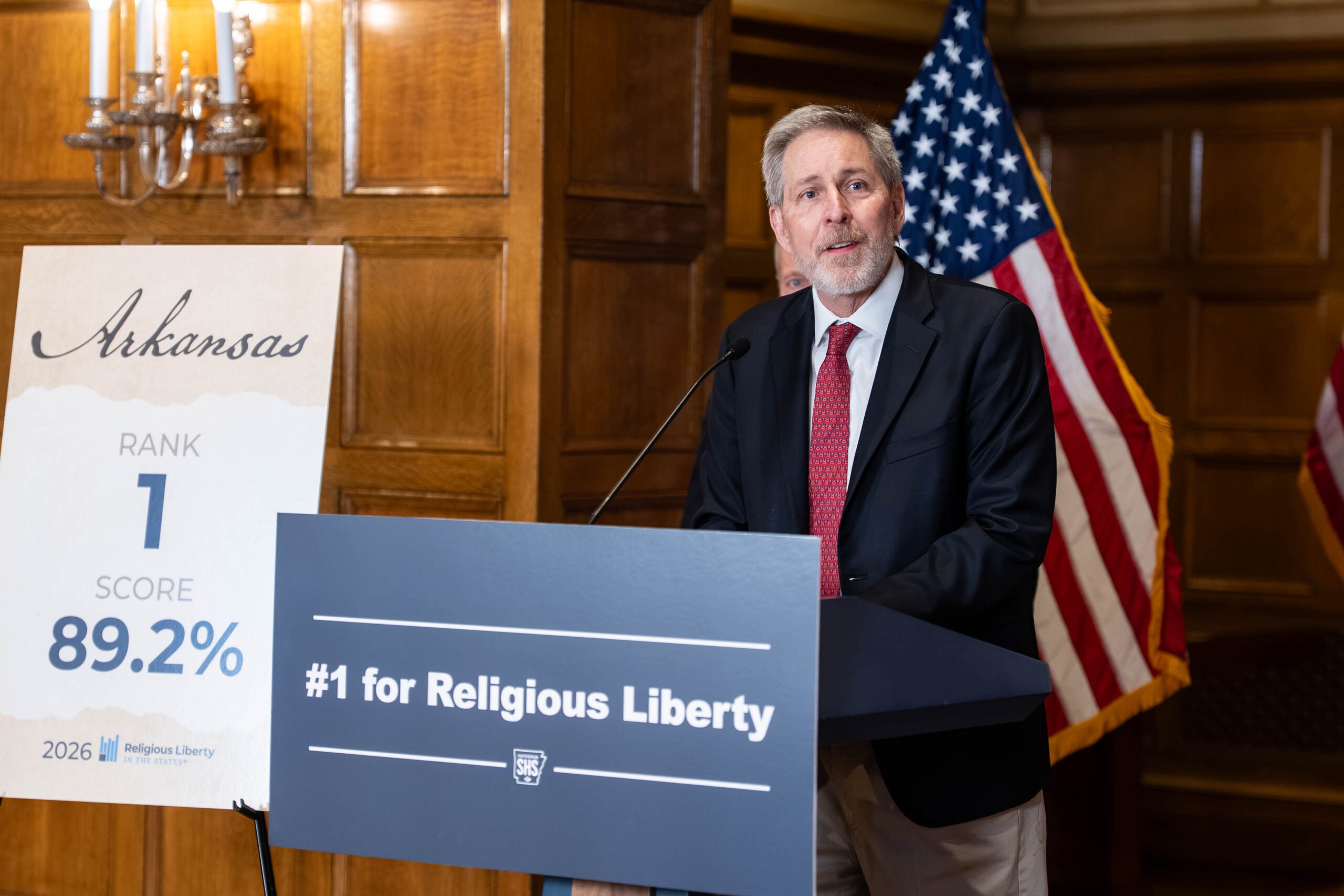
“Religious liberty is best protected when leaders are willing to act before the rights of people of faith are threatened,” said President and CEO Kelly Shackelford.
“Governor Sanders and Arkansas lawmakers have taken that responsibility seriously, adopting strong protections that help ensure Arkansans can live and work according to conscience,” he continued.
On the flip side, the 5 states with the lowest scores are:
46. California (30%)
47. West Virginia (30%)
48. Michigan (27%)
49. Vermont (27%)
50. New York (26%)
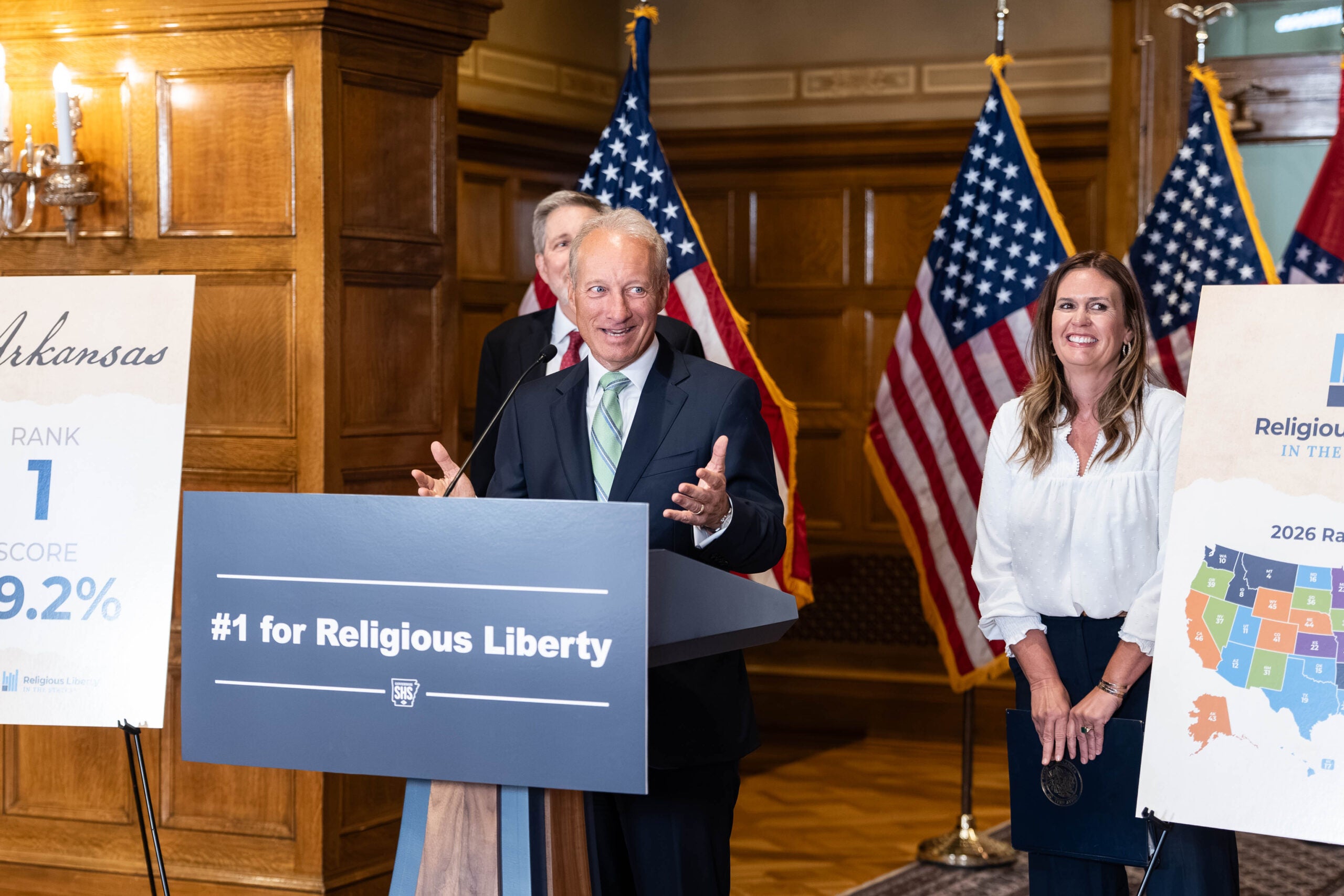
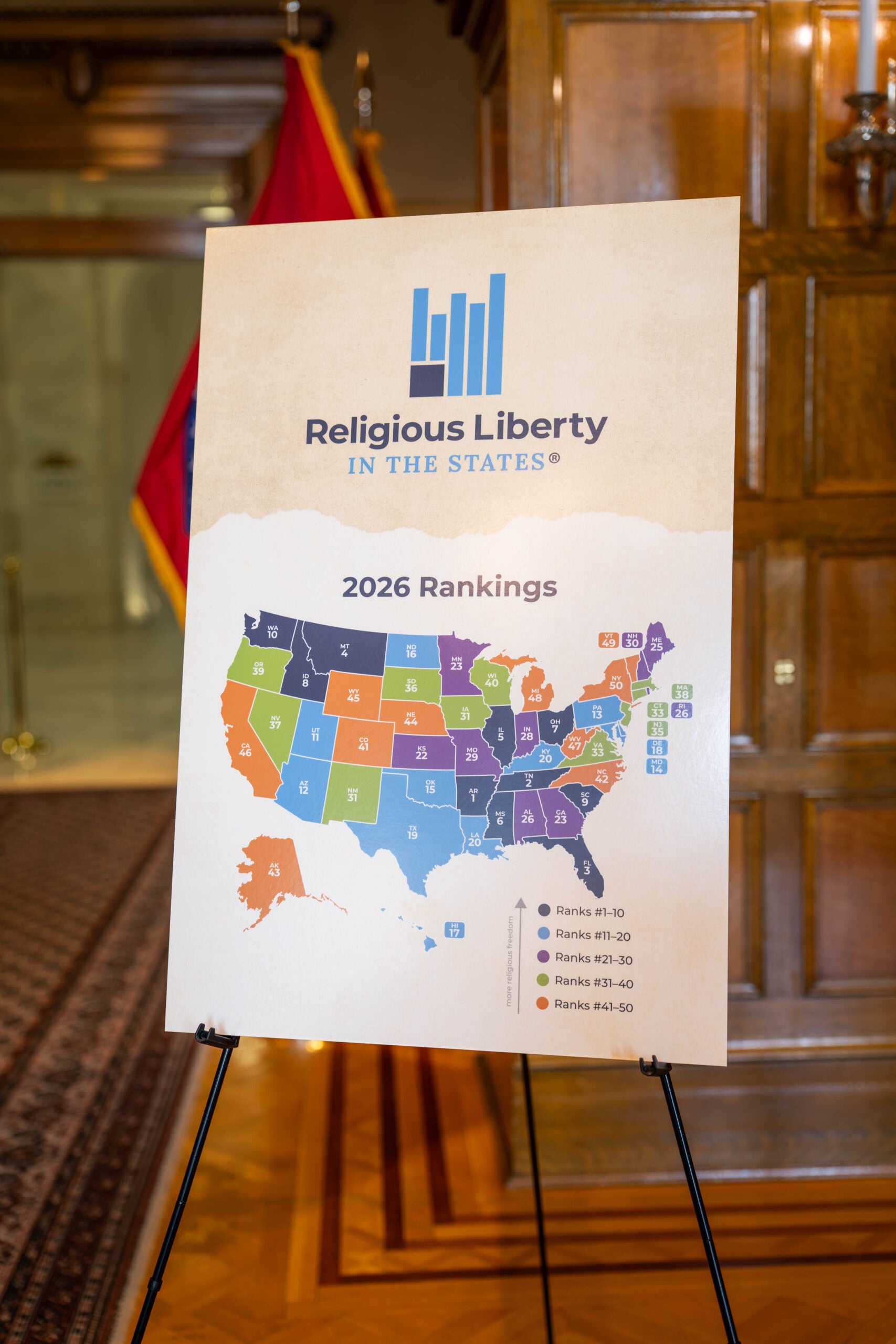
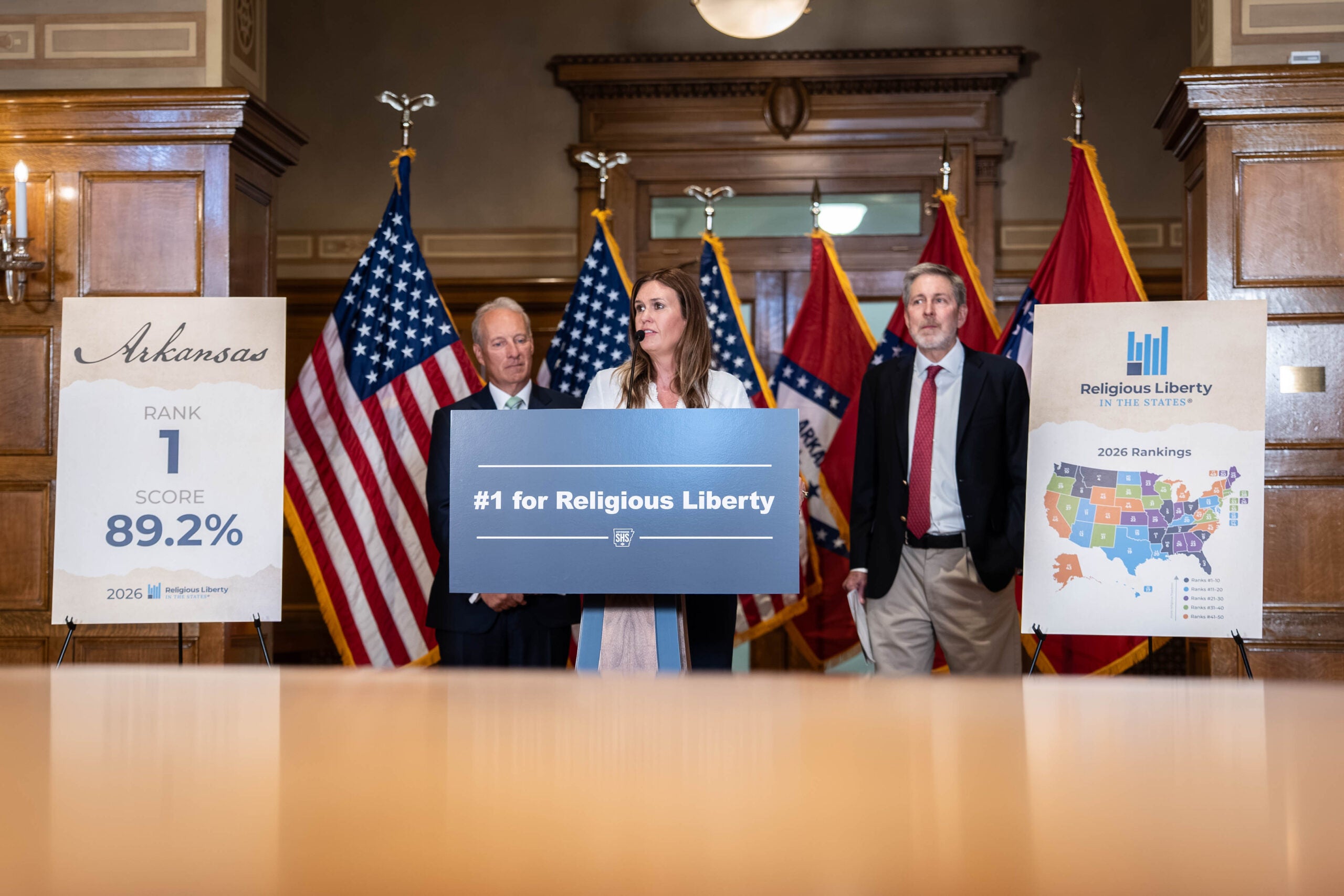

Now in its fifth annual edition, the Index analyzes all states on 50 detailed items.
This year’s new measures include a medical conscience protection that permits individuals to decline to participate in genetic counseling and a protection for individuals to opt-out of joining labor unions if they have religious objections to doing so. It also marks whether states protect people from discrimination at public institutions of higher education because of their religious commitments.
Because of Religious Liberty in the States, everyday Americans can now access quality and reliable information to help them understand what their states are doing to protect religious liberty. What’s more, the index also provides a resource to state governments and legislatures on what they can do to better protect the free exercise of religion.