by First Liberty Institute • 2 minutes
Six years have passed since the COVID-19 epidemic. But even though the pandemic is behind us, its side effects linger—especially the damage done to religious liberty. Many religious Americans who were wronged and discriminated against during the pandemic are still fighting their cases.
The era of lockdowns created a constitutional crisis. It opened an entirely new line of attack on religious liberty, creating a whole host of legal issues. Houses of worship and religious freedom became a flashpoint during the pandemic. There were abuses of power and churches felt that overreach the most. This led to unfair treatment of religious people and organizations across America.
At the time, governors, mayors, county commissioners and local leaders exerted powers they did not have. They justified their actions under the guise of a “national emergency” or “public health crisis.” Churches were shut down, while businesses remained open. Many churches were deemed “non-essential” and were treated more harshly than businesses or secular organizations. In one of First Liberty’s cases, police showed up at a church offering drive-in services and told the pastor his constitutional rights were “suspended.”
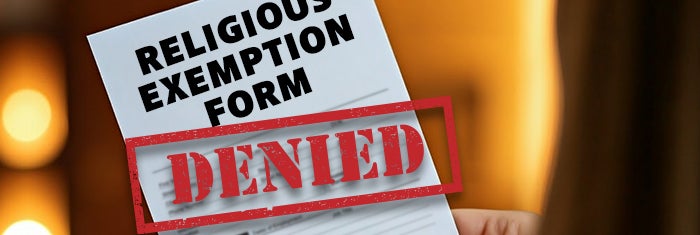
Public and private employers imposed vaccine mandates, rejecting religious-accommodation requests outright or not giving religious Americans the consideration required under the law. The result was that many people of faith lost their jobs. They were forced out because of their religious beliefs.
Careers were ruined, and many people went to court to seek relief. Many are still waiting for justice – and to be made whole.
First Liberty has been at the forefront of this battle since the beginning. We’ve secured many important victories that have remedied much of the harm done to religious Americans and houses of worship.
For example: First Liberty’s class-action victory for a group of U.S. Navy SEALs also brought relief to more than 4,000 Navy service members. This was a tremendous victory for religious freedom in the military.
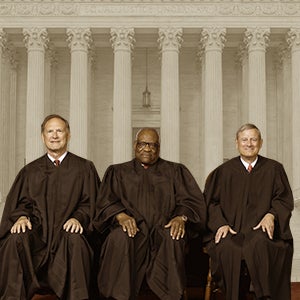
Many of the ongoing religious-accommodation cases began before our U.S. Supreme Court victory in Groff v. DeJoy (2023). That ruling changed the legal standard. The Court unanimously concluded that federal law requires workplaces to accommodate religious employees unless the employer can “show that the burden of granting an accommodation would result in substantial increased costs in relation to the conduct of its particular business.”
That was a major win for religious employees. And now, because of the Groff ruling, many religious accommodation and workplace cases have to be reconsidered based on the new precedent.
One such case: a group of eight firefighters in Snohomish, Washington. They asked for a religious exemption from their employer’s vaccine mandate. For that, they were punished and ordered to go home without pay for months. They’re still fighting in court, waiting to be made whole for the discrimination and harassment they faced.
First Liberty recently asked the U.S. Supreme Court to hear the Snohomish Firefighters’ case and right the wrongs done to our clients. A favorable outcome in the Snohomish case could have a broad impact for religious employees nationwide.
So many people of faith have been harmed by government overreach since the pandemic. Countless Americans were singled out and unlawfully punished because of their religious beliefs on vaccine mandates.
Even though the pandemic is behind us, First Liberty is still taking on more and more cases involving Americans who were forced to choose between their faith and their job. Our work is far from finished.