by Jorge Gomez • 3 minutes
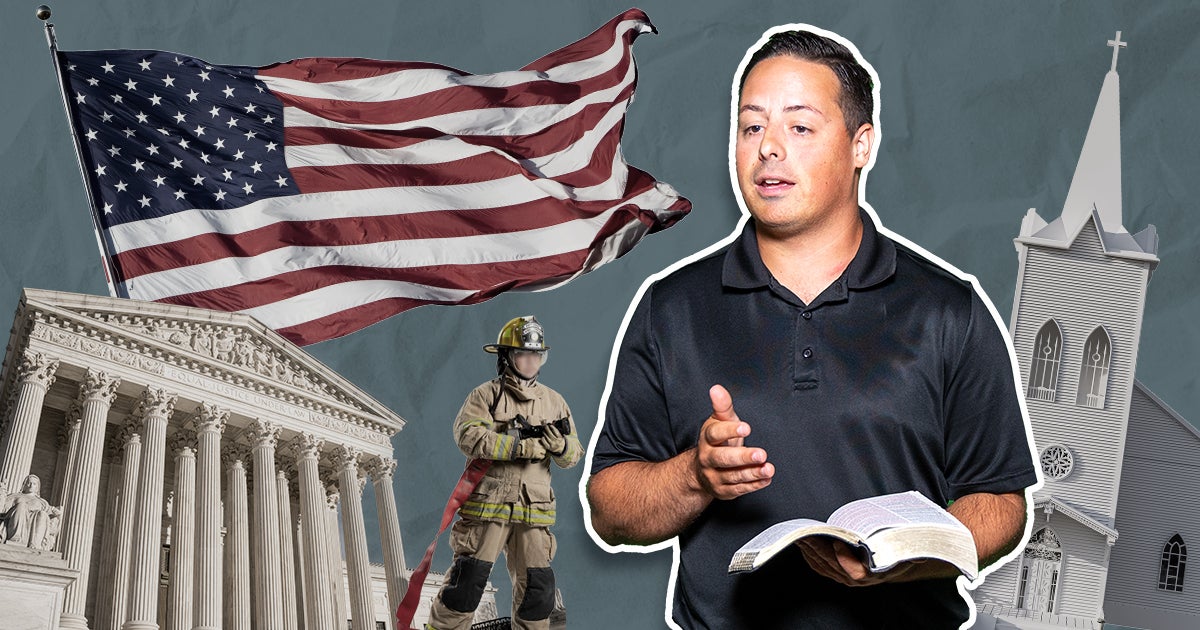
We recently celebrated a big U.S. Supreme Court victory for Mississippi evangelist, Gabriel Oliver. In a unanimous decision, the Court ruled that Gabe, and all Americans, have a right to have their day in court.
So, what happens now? First Liberty is headed back to the lower courts to challenge the city ordinance that bans Gabe from sharing his Christian faith in a public park. He wants to be able to return to sharing his faith without the threat of being arrested again. The next phase of this legal battle is just getting started.
Plus, since winning Gabe’s case, we’ve filed two more cases at the nation’s highest court. The justices also agreed to hear an important case involving Catholic families and preschools that were excluded from Colorado’s public funding programs because of their faith.
As we prepare to celebrate America’s 250th anniversary of independence, 2026 could be yet another historic year that restores our Founders’ vision. These cases could set precedents that impact religious freedom for generations.
Christian Organization Banned from Building Sacred Shrine
A Christian organization in Park Hills, Kentucky is currently banned from using its property to build a sacred space in honor of the Virgin Mary.
We represent Missionaries of St. John the Baptist, Inc. and are asking the nation’s highest court to reverse a decision by the Kentucky Supreme Court that bars the organization from building a modest grotto.
In Catholic tradition, a grotto is a sacred, cave-like shrine that serves as a quiet space for prayer, reflection and devotion. These structures can be found in churches, gardens or even as roadside shrines, creating a focal point for faith and spiritual solace.
We argue that religious organizations are protected by both federal law and the Constitution to use their facilities for religious purposes, as well as a right to be treated fairly and equally to businesses or other secular organizations.
If the Kentucky Supreme Court ruling stands, it will prevent countless congregations in the Bluegrass State from fulfilling their divinely inspired calling. Not only is that illegal, it also goes against everything religious freedom in America is about.
This case presents an opportunity for the Supreme Court to affirm the federal law that protects religious institutions. The outcome could set a precedent that strengthens protections for houses of worship across America.
Washington Firefighters Burned for Their Beliefs
A group of firefighters in Washington state were placed on unpaid leave for eight months after they asked their employer for a religious accommodation.
We asked the Supreme Court to hear their case and make it clear that Americans should not be forced to choose between their faith and their job.
When Snohomish Regional Fire and Rescue instituted a COVID-19 vaccine mandate for all employees, it put in place a religious exemption process. Eight firefighters requested that exemption. But the fire department ended up denying their requests, claiming that granting an accommodation would be a hardship.
Facing indefinite unpaid leave, the Snohomish Eight found work in other nearby fire departments in and outside the county that accommodated them without a problem. The fire chief eventually decided to bring the firefighters back to work, still unvaccinated. They resumed their jobs without causing any difficulties or added expense.
No doubt, the fire department could have accommodated our clients. Instead, it chose to violate their rights under the law and punish them for their religious beliefs.
Winning this case would right the wrongs done to our clients. Plus, a victory would impact religious employees nationwide, ensuring they are given equal opportunity and fair treatment in the workplace.
Colorado’s Exclusion of Religious Schools Could Impact Millions of Families
The Court recently agreed to hear St. Mary Catholic Parish v. Roy. Our friends at Becket are representing a Catholic school that’s being blocked from participating in Colorado’s public funding program for preschools.
The 10th U.S. Court of Appeals upheld Colorado’s religious discrimination, punishing faith-based schools and the families they serve for operating according to their religious beliefs.
The Court specifically said it will decide this case based on the precedent set in Carson v. Makin, First Liberty’s “Treat Children Fairly” case. That landmark ruling held that government assistance programs must treat religious organizations the same as everyone else, and funds can’t be denied simply because program participants are religious.
Even though the Supreme Court made it clear that religious families and organizations must be treated fairly, many states are defiant and continue finding ways to target people of faith. The result of this case isn’t just important to schools and families in Colorado. If the Court clarifies or expands the protections in Carson, it could impact Americans and religious schools across the country.